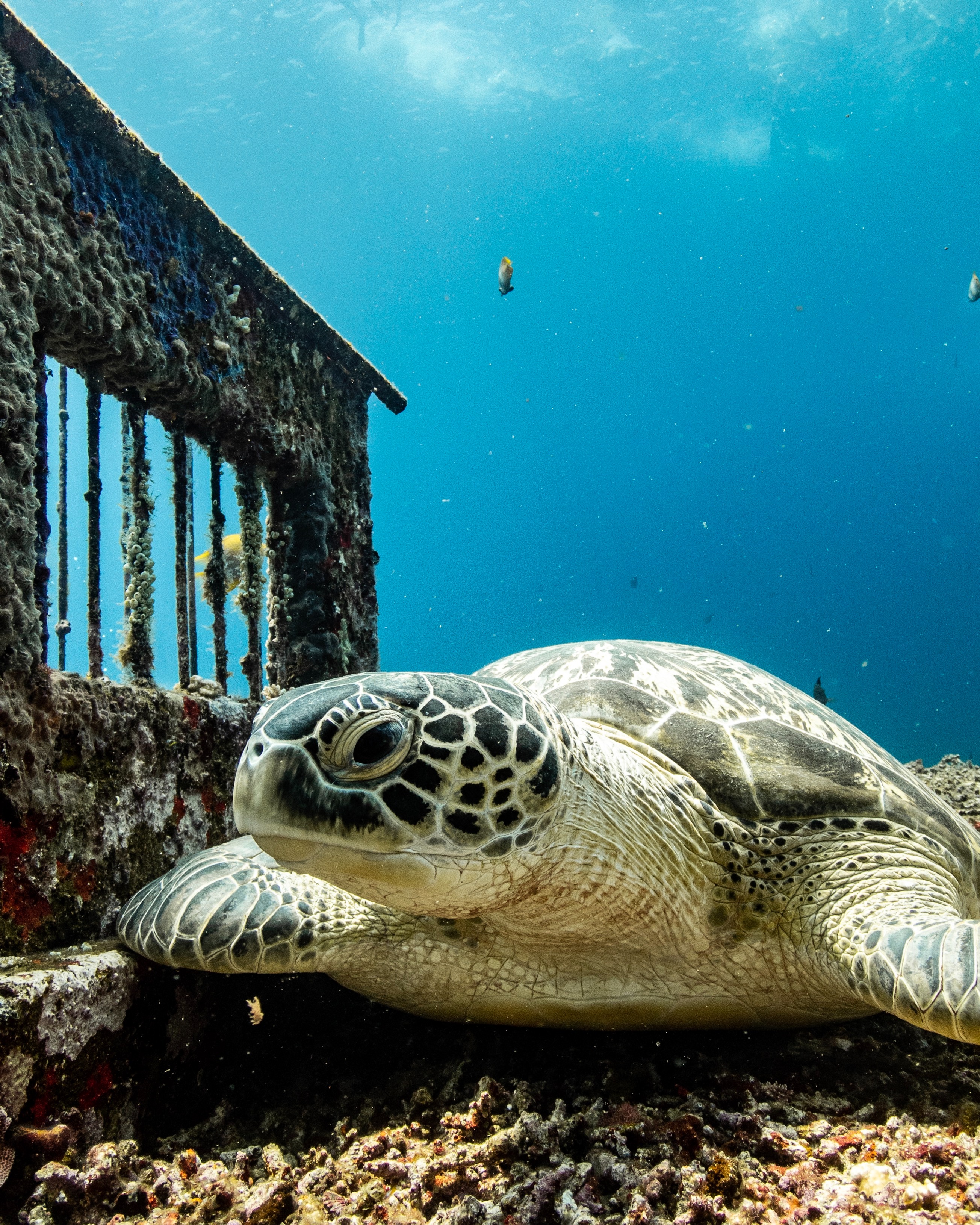
Coral reefs are among the most important marine ecosystems on the planet and play a central role in scuba diving worldwide. Many divers are drawn to reefs because they offer color, life, and structure beneath the surface. Beyond their beauty, reefs strongly influence how safe and enjoyable a dive can be.
Reefs affect visibility, water movement, and the presence of marine life. They also provide natural navigation points and sheltered areas for divers. As both ecological systems and dive environments, coral reefs support safe diving conditions while creating engaging underwater experiences that make recreational scuba diving possible in many parts of the world.
Coral Reefs as Natural Underwater Structures
Coral reefs form complex three-dimensional underwater landscapes that support both marine life and safe diving conditions. Their natural structure creates clear reference points that help divers stay oriented underwater. These formations act as visual guides, making navigation easier, especially for less experienced divers.
Reefs also provide natural depth variation. Sloping reef walls, ledges, and shallow reef tops allow divers to explore gradually changing depths without sudden drop-offs. In many locations, reefs create sheltered dive areas by reducing the impact of currents and waves. This protection helps maintain calmer conditions.
Structured underwater terrain improves diver confidence. When divers can see where they are and understand their surroundings, stress levels decrease. Clear structure supports safer movement, better buoyancy control, and a more relaxed diving experience.
Biodiversity and Marine Life Attraction
Habitat Creation for Marine Species
Coral reefs act as nurseries, feeding grounds, and shelter for countless marine species. Healthy reefs support a wide range of fish, invertebrates, and plant life. The diversity of species is closely linked to coral health, with richer reefs hosting more complex ecosystems.
How Marine Life Enhances the Diving Experience
Marine life increases engagement for beginner divers by providing constant points of interest. Observing reef ecosystems has strong educational value, helping divers understand underwater relationships and behaviors. This exposure often creates an emotional connection to the marine environment, encouraging appreciation, respect, and long-term interest in ocean conservation.
Calm Water Conditions and Natural Protection
Coral reefs play an important role in shaping calm dive conditions. Reef structures help break incoming wave energy and reduce the strength of currents. This natural protection creates calmer zones on the leeward side of reefs, making them suitable for both training and leisure dives.
These sheltered areas are especially beneficial for novice and intermediate divers. Reduced water movement lowers physical effort and stress, allowing divers to focus on skills, buoyancy, and awareness. Reefs also help stabilize dive conditions by limiting sudden changes in surge or surface chop.
By creating more predictable underwater environments, coral reefs support safer and more controlled diving experiences.
Visibility and Light Conditions Around Reefs
Reef environments often support clearer water due to stable ecosystems and reduced sediment movement. Hard reef structures limit sand disturbance, which helps maintain good visibility.
Light reflects off coral surfaces, enhancing colors and improving overall brightness underwater. This makes marine life easier to observe and improves photography opportunities. Good visibility also supports better buoyancy control and spatial awareness.
In reef-based environments commonly experienced during scuba diving Gili Islands, clear water and strong light conditions help divers stay oriented, relaxed, and visually connected to their surroundings.
Skill Development Opportunities Provided by Reefs
Coral reefs provide natural platforms for developing key scuba diving skills. Their structure encourages precise buoyancy control, as divers must maintain position without contacting coral or the seabed. This helps refine balance and control in real conditions.
Reefs are also ideal for practicing proper finning techniques. Divers learn to move efficiently while avoiding sand disturbance or reef contact. Controlled ascents and descents are easier to manage along reef slopes, where depth changes are gradual and visible.
Because reefs are close and clearly defined, divers become more aware of their movement and positioning. This proximity reinforces responsible diving habits.
Environmental Awareness and Diver Education
Coral reefs act as live classrooms for marine education. Instructors use real reef environments to teach divers about coral sensitivity and the impact of human actions underwater.
Divers learn how simple mistakes, such as poor buoyancy or careless finning, can damage fragile ecosystems. This direct exposure builds understanding and responsibility. Seeing healthy reefs firsthand helps divers appreciate their value and importance.
Regular reef exposure promotes long-term environmental stewardship. Divers who learn in reef environments are more likely to respect marine life, follow conservation guidelines, and protect underwater ecosystems throughout their diving journey.
The Relationship Between Reef Health and Sustainable Diving
Reef health and sustainable diving are closely connected. Diver behavior can directly affect coral ecosystems through contact, poor buoyancy, or careless finning. Even small actions can cause long-term damage to fragile reef structures.
Responsible dive planning plays an important role in protection. This includes limiting group sizes, choosing appropriate dive sites, and following environmental guidelines. Sustainable practices help reduce stress on reefs while maintaining safe and enjoyable diving conditions.
Healthy reefs support clearer water, stable environments, and rich marine life, all of which benefit diving activities. Long-term reef conservation protects the future of the dive industry.
Example of Instructor Training Environment
Business Name:
PADI IDC Gili Trawangan – Gili Islands – Indonesia
Address:
Main Beach Road, Gili Indah, Gili Trawangan, Kabupaten Lombok Utara, Nusa Tenggara Barat 83355
Phone:
+62 821 4785 0413
Description:
PADI IDC Gili Trawangan operates within a coral reef–based marine environment and functions as part of the professional scuba diving and instructor training sector. The organization conducts its activities in accordance with established international diving frameworks and environmental considerations common to reef-based dive operations.
Coral Reefs as the Foundation of Scuba Diving Experiences
Coral reefs play a critical role in shaping safe, engaging, and educational scuba diving experiences. Their complex structures create natural dive sites that support biodiversity, improve water conditions, and provide ideal environments for skill development.
Beyond their physical benefits, reefs foster environmental awareness and encourage responsible diver behavior. As living ecosystems, coral reefs directly influence the quality and sustainability of scuba diving worldwide. Understanding their role helps divers appreciate not only the experience of diving, but also the responsibility to protect the fragile environments that make these underwater experiences possible. Instructor training is a major step. “Everything You Need to Know Before Starting Instructor Training” explains the expectations, preparation required, and common challenges candidates face. Understand what lies ahead before you commit.